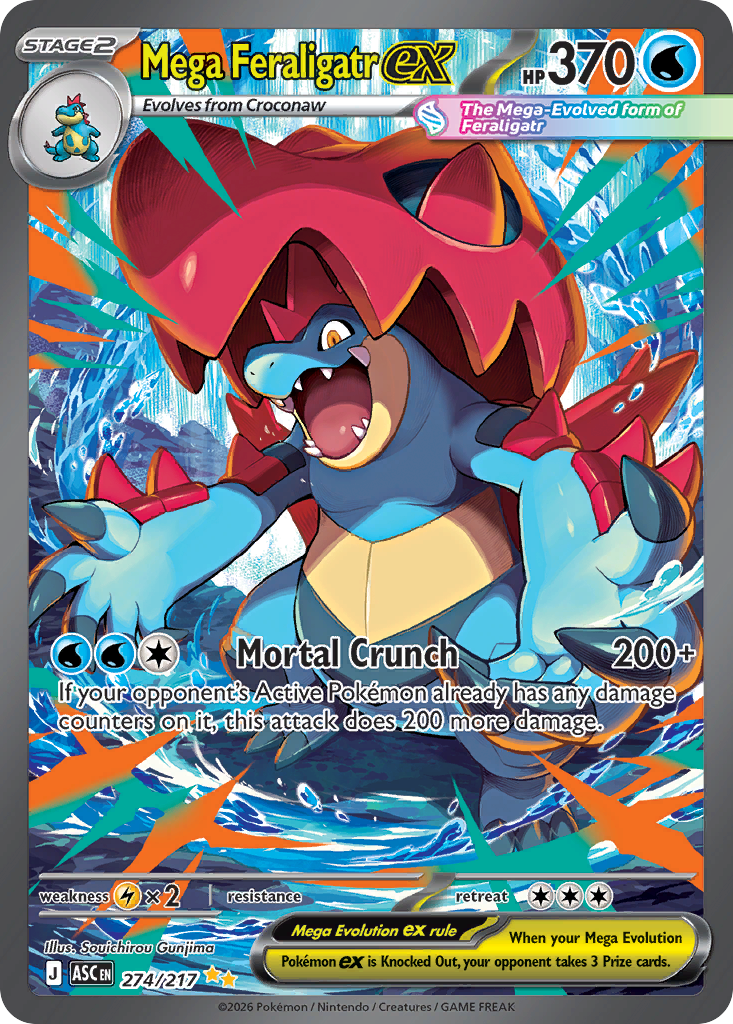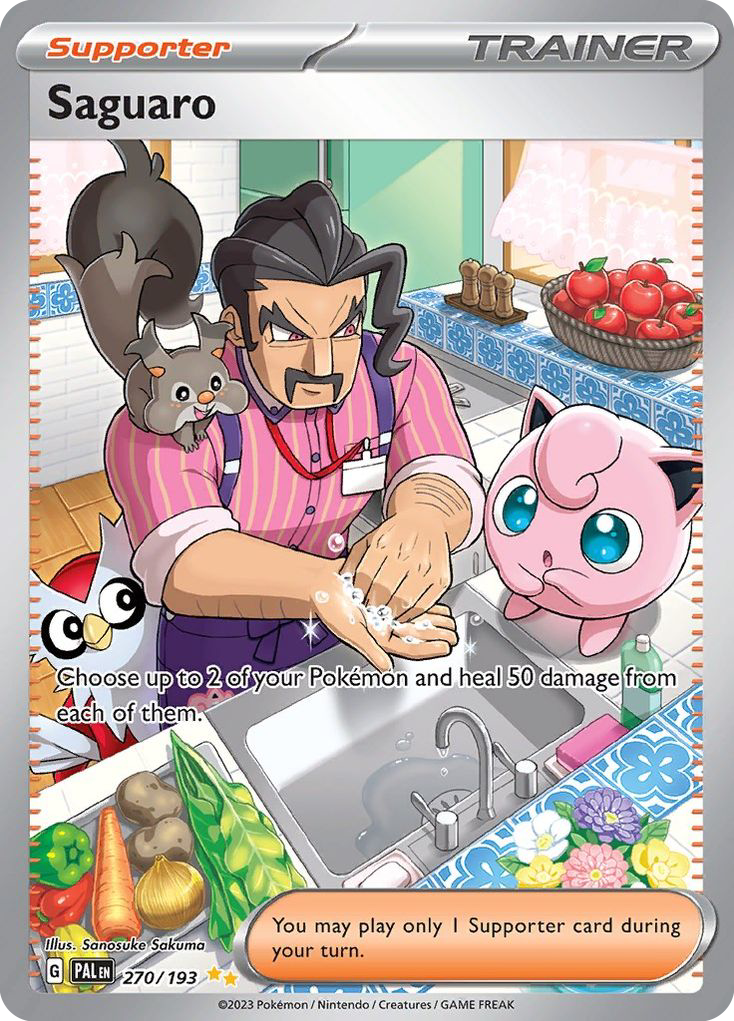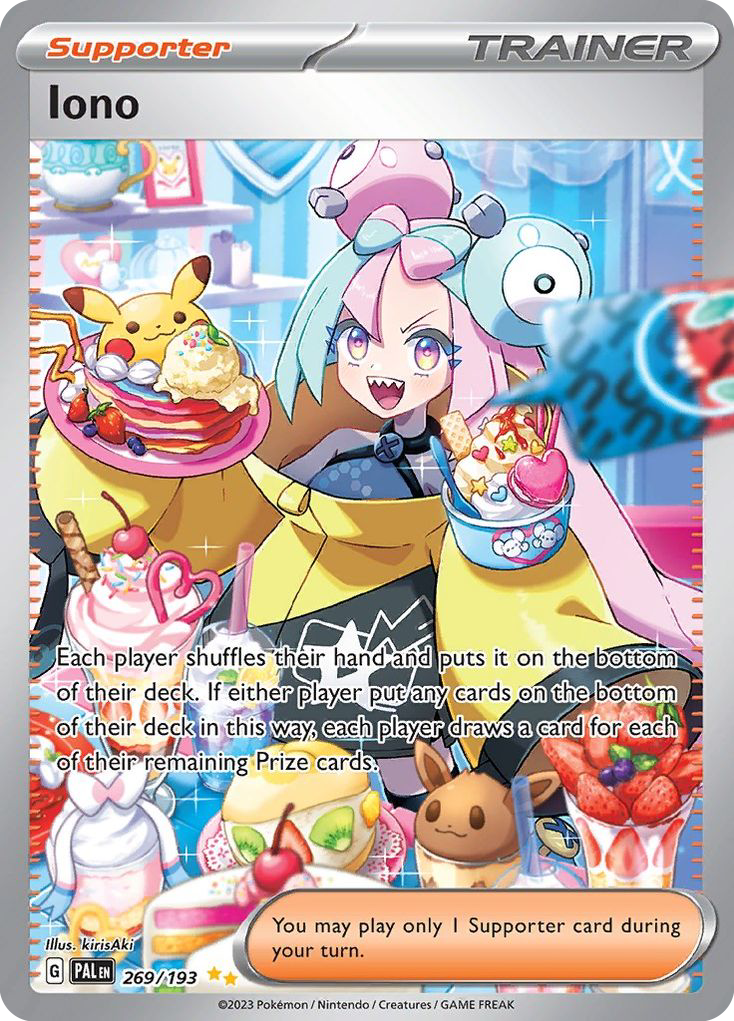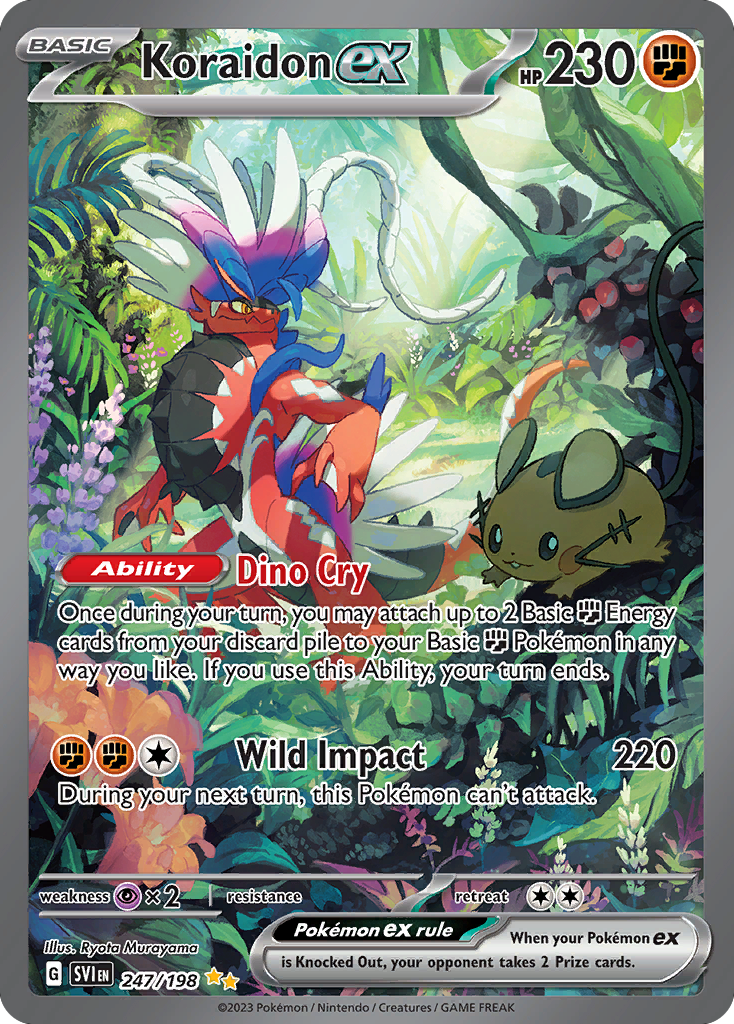
The Koraidon ex Special Illustration Rare does something most cards do not even attempt. It puts you inside a jungle so dense and so humid that the air itself looks green, and then it lets the legendary stand in there like an animal that lives there rather than a mascot posing for a set. The pokemon card artist who painted it is Ryota Murayama, and once you know what he does with light and mist, you will start finding his name on the cards you already liked best.
Who is Ryota Murayama
According to Bulbapedia's illustrator profile, his name in Japanese is 村山竜大, and he also works under the handle ovopack, which is the name on his Twitter and Bluesky accounts. Bulbapedia lists his first Pokemon card as Druddigon from Flashfire, the set that arrived in May 2014, so he came into the game in the middle of the XY era rather than at the beginning of the hobby.
He got a very unusual early promotion. Bulbapedia also credits him with the booster pack art for Roaring Skies and Ancient Origins, the illustration printed on the outside of the wrapper. That means by his second year on the game, collectors were looking at a Murayama painting before they had opened a single pack from either set.
His catalog is small by illustrator standards. Bulbapedia counts roughly 57 cards for the main game plus 14 for Pokemon TCG Pocket, and an artist search on the Pokemon TCG API returns 56 English cards. What makes that number interesting is the density at the top. Seven of those 56 are the modern premium rarities, and five of the seven are full Special Illustration Rares: Koraidon ex, Roaring Moon ex, Professor Sada's Vitality, Poppy and Serperior ex. Paradox Rift alone handed him two of them in the same set.
Most illustrators with a decade of service have a long tail of commons with a couple of highlights sitting on top. Murayama has the opposite shape. His recent decade reads like a shortlist of the cards people actually chase, which is why his name keeps surfacing in artist discussions even though he has painted a fraction of what the veterans have.
His signature style
Here is the tell, and it is remarkably consistent: Murayama paints air. Not backgrounds, not scenery, but the stuff between you and the subject. Waterfall spray hanging in a gorge. Sunlight coming through a canopy in visible shafts. Dust turning gold in a window. Pollen drifting across a nap. Storm light crackling around a dragon. On card after card the atmosphere is a subject in its own right, and it is doing as much work as the Pokemon.
That habit comes with real depth. He builds his frames in layers, with something soft and out of focus in the foreground, the subject sitting in the middle distance, and the background falling away into haze rather than stopping at a painted wall. The effect is that you are not looking at the scene, you are standing a few feet inside it. His palettes lean heavily green and teal in the Scarlet and Violet era, cooled down and slightly desaturated, so a run of his cards laid side by side reads like one continuous forest.
The third tell is that he hides company in the frame. There is almost always a second creature you do not catch on the first pass, tucked into the undergrowth or peering around a rock. Once you know to look for it, spotting the extra Pokemon becomes part of reading the card.
So if you are flipping a binder and a card feels humid, layered and quietly busy, with a light source you could point at and something blurred between you and the subject, stop and check the bottom left. There is a good chance it reads Illus. Ryota Murayama.
Cards to know
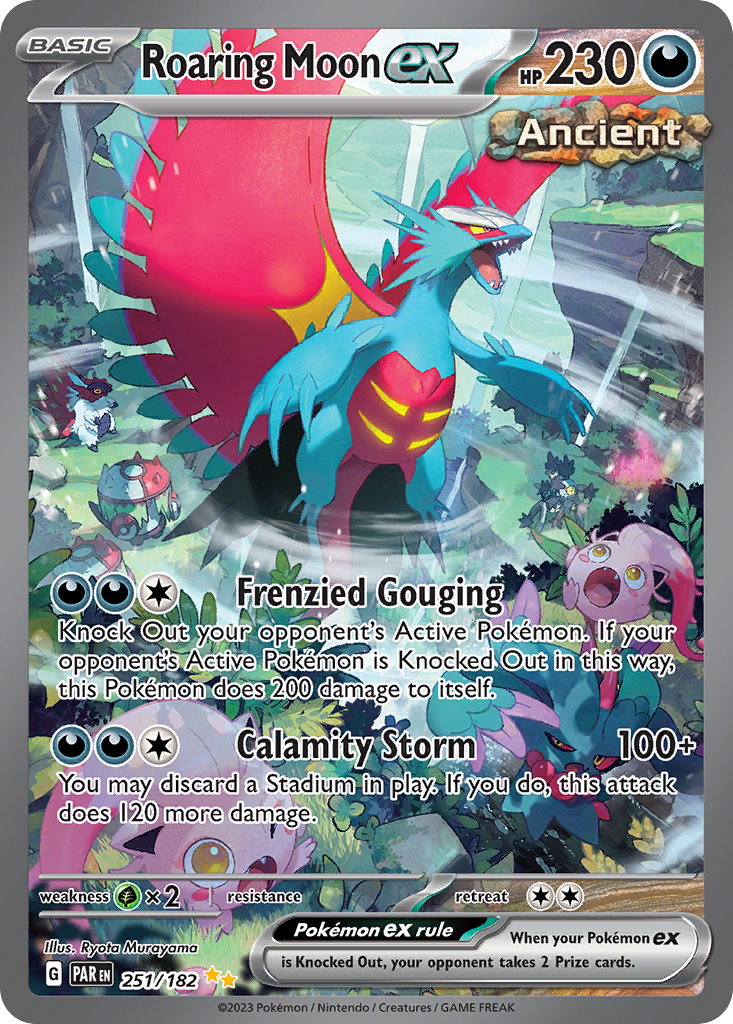
Roaring Moon ex, Paradox Rift (Special Illustration Rare). A rocky gorge full of waterfall mist, with Roaring Moon rearing up out of the spray and a whole crowd of Ancient Pokemon watching from the rocks. The mist is the point. It softens everything behind the subject and gives the card a sense of scale that a plain background never would.
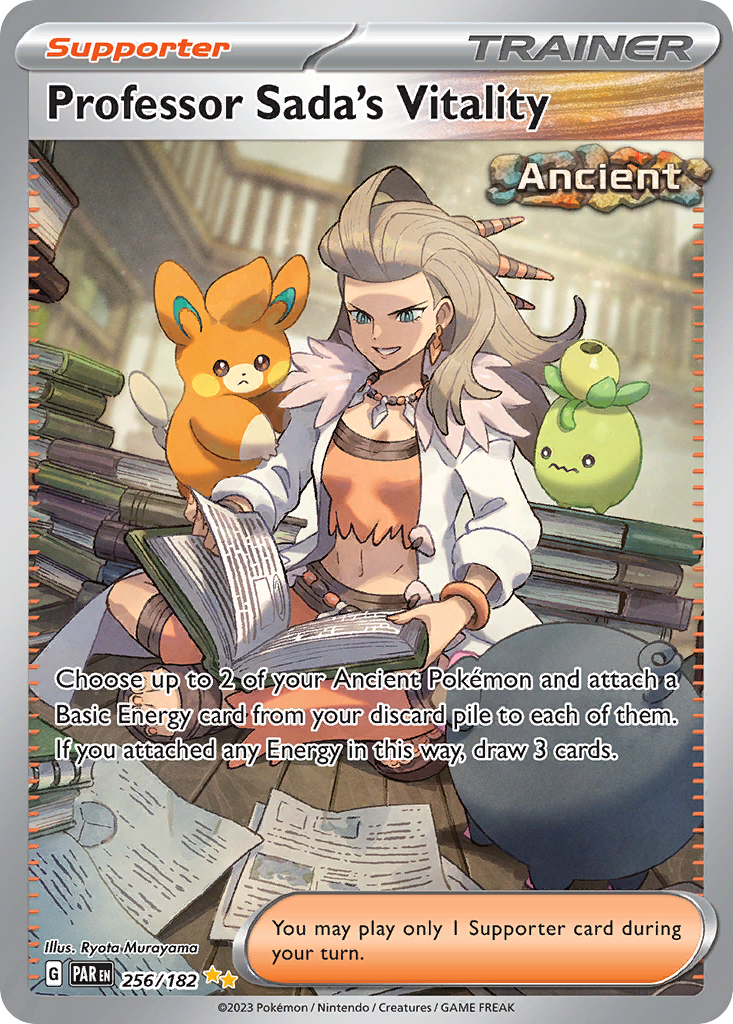
Professor Sada's Vitality, Paradox Rift (Special Illustration Rare). Sada sat on a wooden floor buried in books and loose papers, lit by warm light coming in from behind her. It is his one interior on this list and it proves the style is not about jungles, it is about atmosphere. The dust in that sunlight is doing the same job the waterfall mist does.
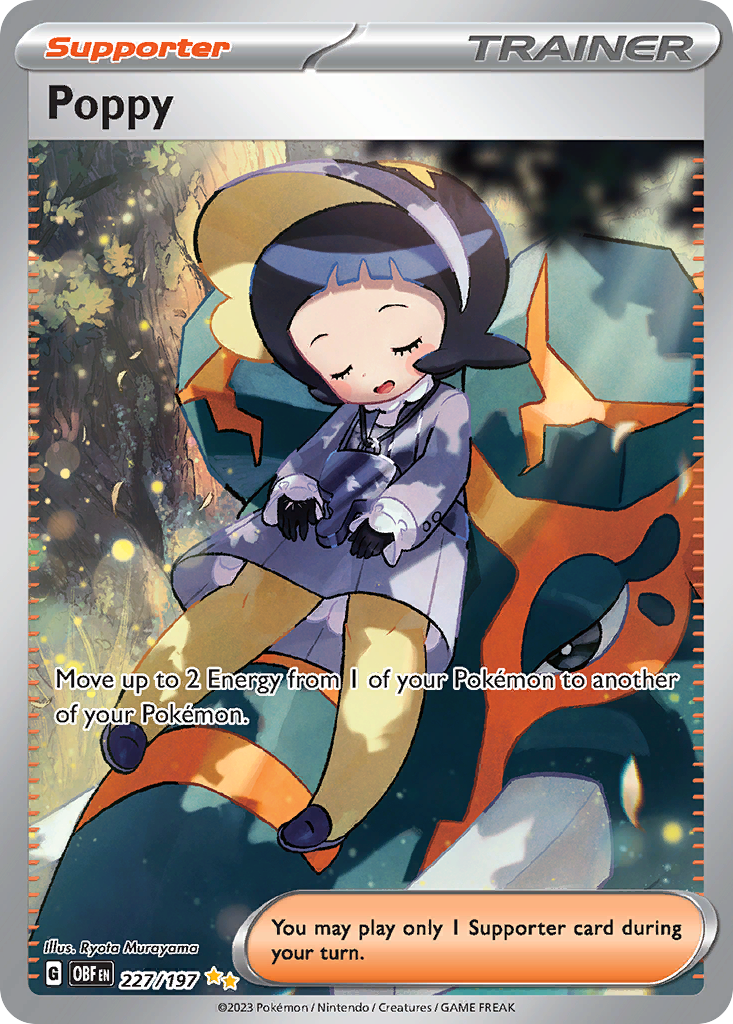
Poppy, Obsidian Flames (Special Illustration Rare). Poppy fast asleep against a large Pokemon under a tree, dappled shade across her coat and little motes of light floating through the frame. It is the softest card he has made and the most restrained, and it is a favourite for exactly that reason.
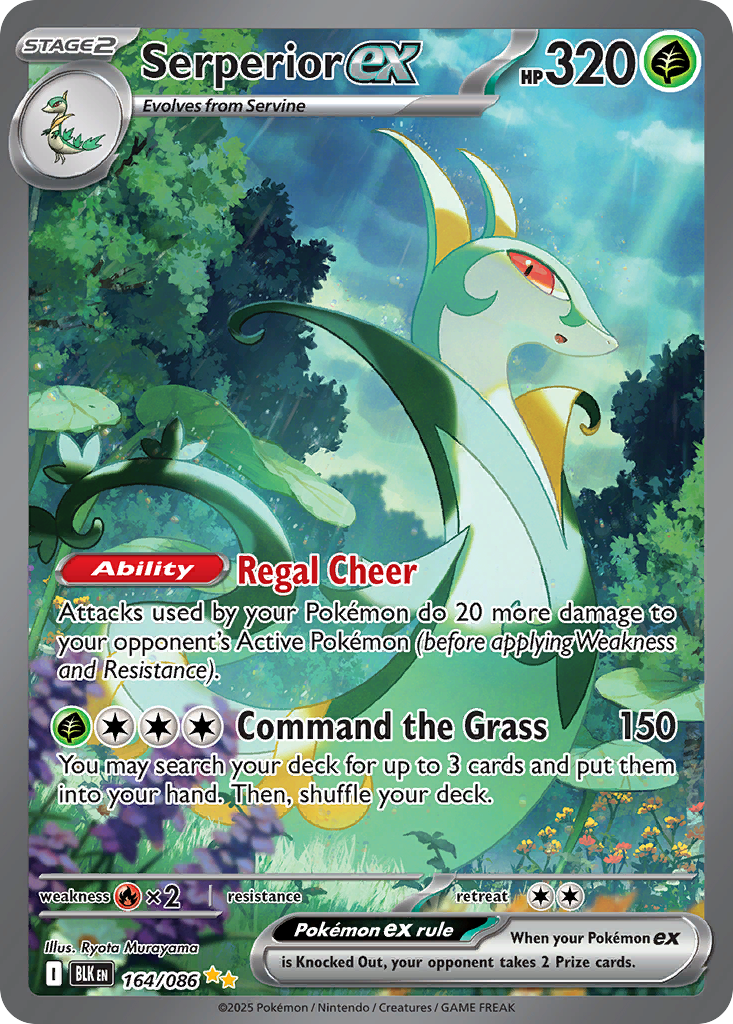
Serperior ex, Black Bolt (Special Illustration Rare). From 2025, and the clearest demonstration of the whole approach. Serperior curls up through a forest while visible shafts of sun come down through the leaves onto lily pads. Pale mint, deep green and a wash of blue haze, and almost nothing in the frame has a hard edge.
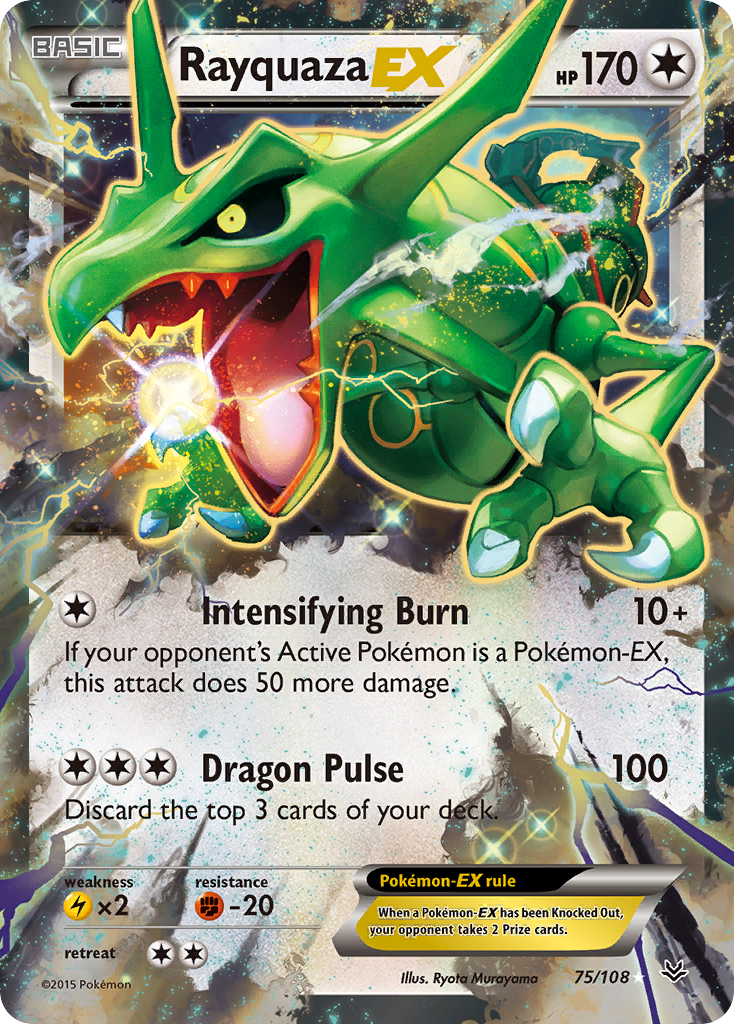
Rayquaza-EX, Roaring Skies. The 2015 card, from the very set whose pack art he painted. Look how different the mode is: high contrast, hard edges, lightning and sparks and a snarling close up. Same instinct for weather, aimed at aggression instead of calm. Put this next to the Serperior and you can see a decade of a painter changing his mind.
Build a Ryota Murayama binder page
A Murayama page is one of the rare artist pages you can genuinely come close to finishing. With 56 English cards in the whole catalog, this is not a lifetime project like chasing a 250 card veteran, and the good stuff is concentrated rather than scattered across twenty years of commons.
The obvious build is the premium page. His five Special Illustration Rares plus his two Illustration Rares, Flygon from Phantasmal Flames and Nacli from Paldea Evolved, give you seven of the nine slots straight away. Fill the last two with older holos and you have a page where every single card is a highlight. Because his modern palette is so consistently green and teal, those seven sit together like panels of one painting instead of nine unrelated pieces, which is the whole reason artist pages beat random sorting.
The second build is cheaper and honestly just as satisfying. He drew a run of legendary EX cards in the XY era, including Rayquaza-EX in Roaring Skies, Kyogre-EX and Groudon-EX in Primal Clash and Hoopa-EX in Ancient Origins. That is a hard hitting nine slot page for very little money, and it shows the loud version of his style. Our guide to organizing a Pokemon binder covers artist grouping and color sorting if you want the layout fundamentals first, and you can lay either page out in Binder Builders before you buy a single card to see how the greens fall.
Murayama is the artist to learn if you have ever picked up a card and felt the temperature of the place it was painted in. He is not the most prolific illustrator in the game and he never has been, but almost everything he touches in the modern era ends up being the card people want out of the set. Learn to look for the mist and the light shafts, and the credit line will start confirming what you already noticed. For a very different flavour of the same skill, our Naoyo Kimura artist feature covers an illustrator who paints places rather than weather, and the two make an excellent pair of facing pages.